

For the Ones Who Are Still in the Middle of It
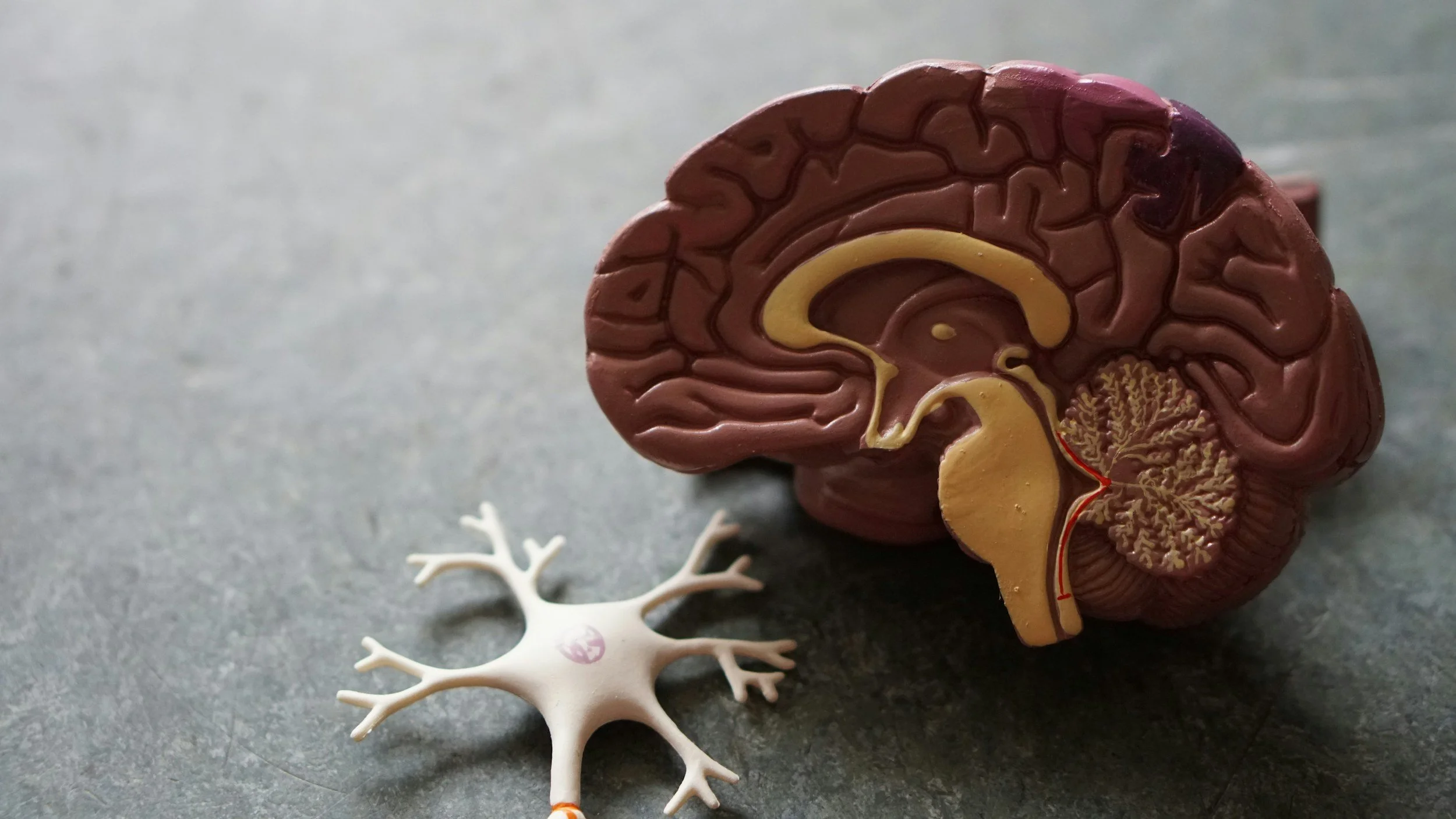
Your Nervous System Wants to Heal: Here’s What Gets in the Way
Your nervous system is designed to heal. The problem is most of us are accidentally keeping it stuck. Here’s what gets in the way and how movement helps.

Why Movement Is Therapy: The Science Behind Healing Through the Body
Movement is one of the most powerful tools for emotional healing. Here’s the science behind why the body leads where the mind can’t go, and what to do with it.

What Is Somatic Healing and Why Movement Is the Answer
Somatic healing works with the body, not just the mind. Here’s what it is, why movement is central to it, and simple exercises to start with today.

The Quiet Courage of Asking for Help
Asking for help takes more courage than most people admit. Something in us resists it, even when we're struggling, even when support is available. This post explores what gets in the way, what it costs to stay silent, and what it actually means to let someone in.

What It Actually Means to Trust Your Body Again
Most people try to reconnect with their bodies through control. But trusting your body isn't about managing it. It's about learning to listen. This post explores what body distrust actually looks like, why disconnection happens, and what it means to begin the slow, patient process of coming home to yourself.

When You Can't Explain Why You Feel Lost
Feeling lost doesn't always have a reason. Sometimes the weight arrives without a story, without a clear before and after. This post explores what it means when that unexplained feeling shows up, why the ones without a cause are often the hardest to sit with, and what genuinely helps when explanation isn't available yet.

What Living Fully Actually Looks Like (And Why It's Quieter Than You Think)
Living fully doesn't mean living loudly. Here's what it actually looks like to build a life that feels like yours — not someone else's idea of what yours should be.

How to Stop Living in Fear: A Guide for People Who Are Tired of Being Afraid
Fear doesn't have an off switch. But there is a way through it. Here's what it looks like to stop letting fear make your decisions — even when it doesn't go away.


How to Rebuild Your Self-Worth
Self-worth doesn't disappear overnight, and it doesn't come back overnight either. Here's what rebuilding it actually looks like — and what nobody tells you.
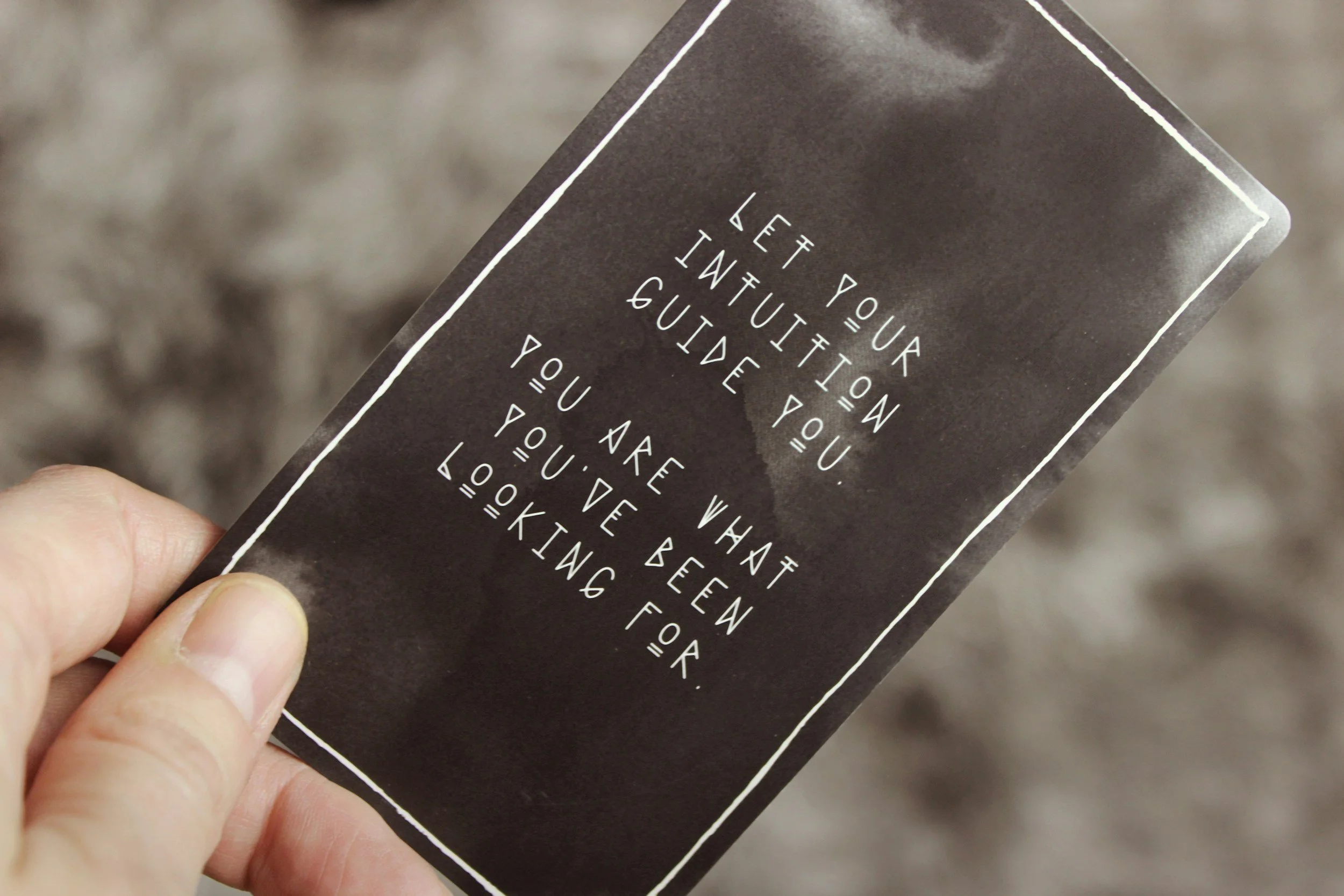
What It Means to Live with Intention
Living with intention isn't about having a plan. It's something quieter and more powerful than that. Melissa A. Woods on what it actually means, and how to begin.

What to Do When You've Lost Yourself
When life has undone you and you don't know where to start, that's not the end. Melissa A. Woods on finding your way back to yourself, one honest step at a time.

What It Actually Takes to Trust Yourself Again
If you've stopped trusting yourself, it's not weakness. It's an injury. Melissa A. Woods on what it takes to come back to yourself, one small step at a time.

How to Move Through Shame (Without Pretending It Isn't There)
Shame doesn't heal when you go around it. Melissa A. Woods writes on what it actually takes to move through shame, and why you don't have to do it alone.

Loneliness
Loneliness is one of today’s major public health crises, affecting 30% of us, and can lead to mental health issues as well as addiction. The link between loneliness and addiction suggests that the use of substances can disguise feelings of loneliness by providing a brief absolution from the mental and emotional distress that loneliness brings. Also, loneliness and substance misuse can mutually influence one another.

What is Obsessive Compulsive Disorder (OCD)?
The National Institute of Mental Health states that “OCD is a common, chronic disorder in which a person has uncontrollable, reoccurring thoughts (obsessions) and behaviors (compulsions) that he or she feels the urge to repeat over and over in response to the obsession.”

Finding Hope In These Chaotic Times
During this fearful time and not knowing what to expect, I found these words comforting and inspirational. I don’t have the correct citation for who wrote this but will use quotes where appropriate.

When is it time to leave your therapist?
What happens when the client feels it is time to leave your therapist, but the therapist is making it difficult to end things?

Forgiving Yourself
To forgive someone else seems much easier than forgiving yourself. You can accept their apology, or not and move forward. When you are the person to forgive, how do you move forward?

What does it mean to have self love and why is it so important?
To have self love means taking care of your own needs and not discounting your welfare to please others.